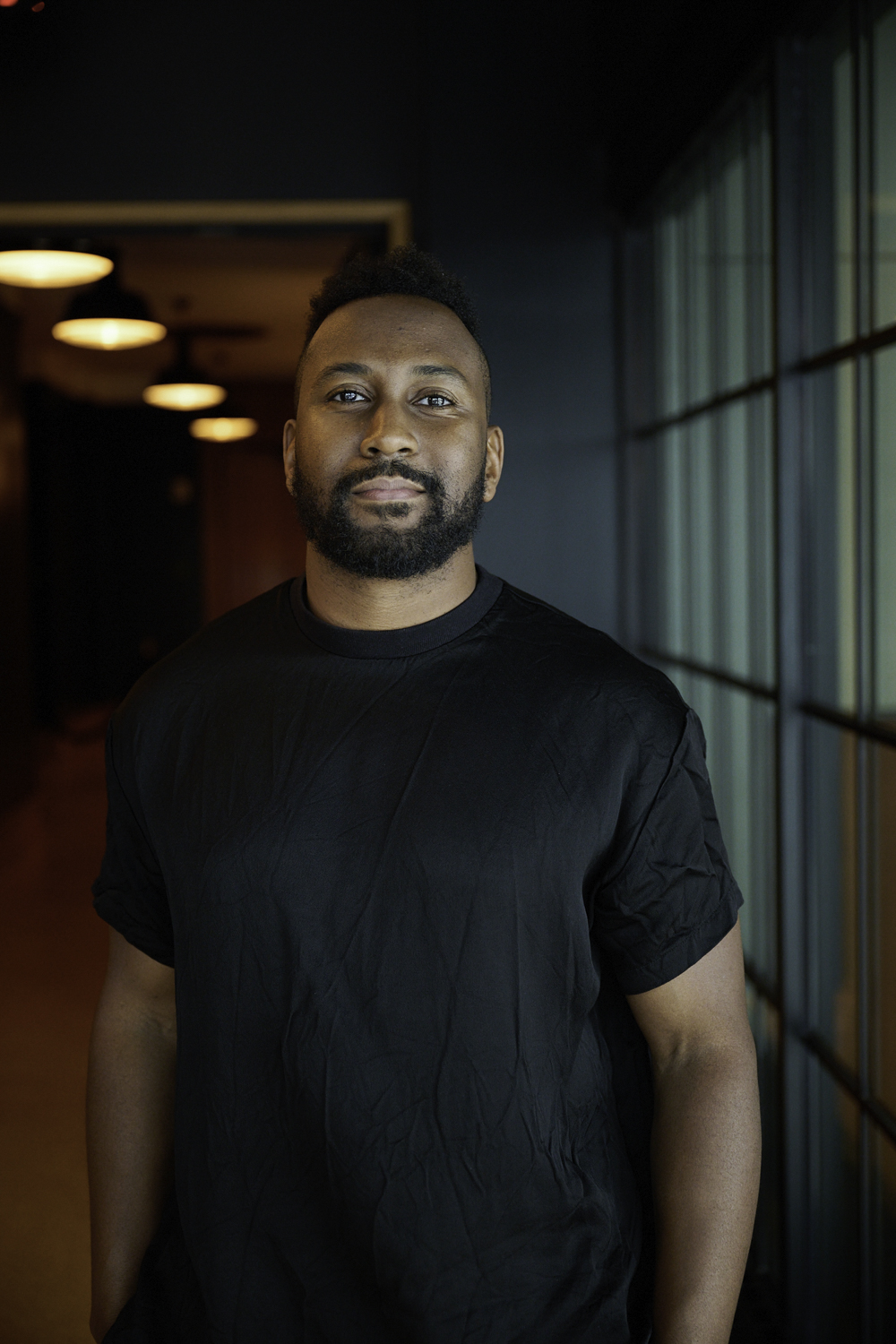
People ask about the career pivot often. Barclays Capital analyst to agency co-founder sounds like a hard left turn. It was not. It was the same job with a different name for the output.
At Barclays, I spent my days turning ambiguous information into clear decisions. Markets generate noise constantly. The job is filtering it: identifying what matters, modeling what it means, and translating that into a recommendation someone can act on. That process looks identical to what I do now building brand strategy for Fortune 500 clients. The raw material is different. The cognitive structure is the same.
What I did not know when I left finance is that this background would become a competitive advantage. I thought I was leaving one career for another. I was actually building the foundation for a different way of running a creative business.
What Finance Actually Teaches You
Investment banking trains you to think about risk and return simultaneously. Every decision has a cost. Every creative bet has a probability of payoff. Most agencies treat these as separate conversations: the creatives make the work, the account team sells it, and someone else worries about whether it moved the business. Finance does not allow that separation.
The other thing finance teaches: respect for the time value of relationships. In banking, you are always building toward a future transaction. You maintain relationships through dry periods because you know the long game. When I co-founded The Charles Group with Samantha in 2011, that orientation shaped how we built client relationships from the first year. We were not optimizing for the current project. We were building toward a decade-long partnership.
The first years were genuinely difficult. New York is not forgiving to a young agency without a holding company name behind it. We were operating lean, pitching constantly, and proving capability on smaller engagements before the bigger opportunities came. The finance background helped there too: I understood our burn rate, our revenue concentration risk, and when to turn down business that would have distracted us from the clients where we could actually win.
Why New York, and Why 2011
Timing matters in agency building the same way it matters in markets. 2011 was early in the social and digital brand era. Brands were trying to figure out what an agency relationship looked like in a world where a campaign was not just a TV spot and a print run. The old playbook was breaking. That created an opening for agencies that were willing to build new capabilities without being constrained by legacy ones.
New York was the only city where the clients we wanted to serve were concentrated. Luxury brands, financial services companies, global technology firms. The brands that demand the most sophisticated strategy and reward it with long-term relationships. That is a New York market, and we built The Charles deliberately for it.
In a conversation with Authority Magazine, I talked about how digital transformation shapes agency work. The point I kept returning to: transformation is not a technology decision. It is a strategy decision that technology enables. That framing comes directly from the finance background. Technology is a tool. Business outcomes are the objective. The distinction sounds obvious, but most agencies in 2011 were selling digital services without that clarity.
The Forbes Nomination, and What It Actually Meant
When Forbes nominated me for the 30 Under 30 in 2018, we were seven years into building The Charles. I was 28. The nomination mattered because it validated the hypothesis we had built the agency on: that a rigorous, analytically grounded approach to creative work could compete at the highest level against established shops with decades of history.
What the Forbes nomination did not capture is the amount of iteration it took to get there. The clients who pushed back on our thinking early, and were right to. The campaigns that underperformed and forced us to revise our models. The hires that did not work and the ones that did. Seven years of compounding small decisions is what the nomination looked like from inside.
Samantha was the other half of that story. As our CCO, she brought the creative rigor that my finance background could not. I understood business outcomes. She understood the craft required to achieve them. The combination is what made The Charles different: strategy and creative in the same room, with the same objectives, from day one. LBB captured that dynamic well in their profile of us, noting how our complementary backgrounds shaped the agency's identity.
The Finance-to-Creative Path Is an Advantage
I have taught at Columbia Business School and NYU. The question I get most often from students considering a similar move: do I need more creative experience before I can lead a creative business?
The answer is no. You need to understand the business your clients are in. You need to know how to read a P&L, manage a growing team, and make capital allocation decisions under uncertainty. Those are finance skills. The creative excellence comes from the people you hire and the culture you build around the work.
What you cannot outsource is the business judgement. The ability to tell a client that their brief is solving the wrong problem. The confidence to turn down a project that would pay well but compromise your positioning. The discipline to grow the agency at a pace your operations can actually support. That judgement is trained in finance.
Brandformance™ is the clearest expression of this synthesis. The belief that brand and performance are not separate disciplines is a finance argument as much as a creative one. Brand equity is an asset. Performance metrics are the return on that asset. Splitting them into separate agency functions is like separating a company's strategy team from its finance team and expecting coherent decisions. It does not work. It never worked. The industry is only now catching up to that logic.
Leaving Barclays was not a departure from analytical thinking. It was finding a bigger canvas for it.
Read more about my background and the press coverage that shaped these ideas on the Aaron Edwards press page.